August 27, 2026
Do Lab Grown Diamonds Hold Their Value?
No, not in the way people mean. A lab grown diamond resells far below what you paid, further below than a natural stone, and the gap keeps widening as new stones get cheaper.
No, not in the way people mean. A lab grown diamond you bought at retail will fetch far less than you paid if you try to sell it, and the discount is deeper than for a natural stone of the same specification. The gap keeps widening, because new stones get cheaper every year.
What actually happens when you try to sell a lab grown diamond?
There are three routes, and each pays what it pays for a structural reason.
Selling it back to the retailer you bought it from
This produces the highest number and the least cash, because it is not cash. Trade-in and upgrade programs issue store credit against a new purchase, and most require you to buy something priced above the original. The generous-looking figure is partly a discount the seller would have given anyway, credited against a replacement whose retail price has itself fallen.
Selling to a diamond buyer or a reseller
This is the fastest route and the clearest to reason about. A professional buyer offers what they can resell the stone for, minus margin and the months they will hold it. That number is set by what an identical new stone costs them at wholesale this week. Your receipt is not an input to their arithmetic.
Selling it privately
This produces the highest realistic price and takes the longest. The obstacle is not trust, it is the search bar. A private buyer can price a new stone of the same carat, color, clarity and shape in under a minute, and that one has a fresh report and a return window. To beat it you have to undercut it. Plan in months, and expect the buyer to name the number.
Why is the discount bigger than it is for a natural diamond?
Because the supply of new lab grown stones is a manufacturing decision rather than a geological one, and manufacturing capacity expands in response to demand.
More capacity means a lower cost per carat, every year
Adding capacity means installing more reactors and running them, and that has happened at scale: India exported 18.8 million carats of lab grown diamonds in fiscal year 2025-26 against 16 million carats of natural, the first year lab grown volume passed natural. Natural supply is bounded by what is in the ground. Lab supply is bounded by capacity and electricity, both of which can be added.
Your used stone competes with a cheaper new one each year
This is the whole mechanism. Analyst Edahn Golan's lab grown wholesale price index fell 26% during 2025, then 14% year over year in the first quarter of 2026 and 13% in the second quarter of 2026, leaving it 96% below July 2018 when tracking began. A stone bought at a 2023 retail price is valued against a 2026 replacement cost. Nothing about your stone changed. The thing it is measured against moved.
The honest complication: natural stones fell hard too
Most pages leave this out, and leaving it out makes the rest less believable. Natural polished prices dropped in the same window: the RapNet Diamond Index for round one carat D to H, SI diamonds slumped 24.1% during 2025, close to the 26% lab grown figure for the same year. So the difference is not that natural held steady. It did not. The difference is the ten-year path and a working secondhand trade: natural stones move through dealer, auction and estate channels that make a market at some price, while the lab grown index has one direction on record and no floor anyone has named.
Is "will it be worth money later" even the right question?
These are two separate decisions, and only one is inside your control. Confusing them is how people end up unhappy with a purchase that was fine.
"Will it be worth money later" and "was it worth buying" are different questions
The first is about a resale market you do not influence. The second is about what an object does across the years you own it. A lab grown diamond answers the second well and the first badly. Working out which one you are asking is the most useful thing on this page.
Wearing is a use, not an investment
An object you use every day is consumed the way a use is consumed, not the way a holding is held. That is not a consolation and not a euphemism; it is the ordinary category most purchases fall into. A ring worn daily for a decade delivers its return in wear, and the resale line is a footnote to a transaction that already did its work. If you want a stone chosen for how it will be worn rather than how it might be sold, start from what the stone has to do.
The test that works
If you would still buy the piece knowing the resale figure is close to zero, buy it. If any part of the amount is money you expect back, this is not the purchase for it.
Does the gold or platinum setting hold value better than the stone?
Yes, in one narrow and real way: the metal has a floor tied to a public commodity market, and the stone does not.
The metal has a published price and the stone has an offer
Solid 14K gold, solid 18K gold and solid Platinum 950 can be sold for scrap at a price derived from the metals markets, quoted publicly every day. Gold traded around $4,700 per troy ounce on August 25, 2026; platinum around $1,844 per troy ounce on August 27, 2026. Those markets can fall, but a refiner will always quote against them. Nobody publishes a daily index for your used stone.
The floor is smaller than it sounds
Scrap value is fineness times weight times a payout set below spot, and it discards the setting work entirely. Solid 14K gold is 58.3% gold by weight, solid 18K gold is 75%, solid Platinum 950 is 95% platinum, and a ring band is a few grams. The floor is genuine, modest, and will not rescue the purchase. It does mean solid metal behaves differently from the stone it holds, which is worth knowing when you choose between solid 14K and solid 18K gold or between solid platinum and solid white gold.
What this should and should not change
It should not push you toward a metal you do not want. A 1.08 ct D VS1 round set in solid Platinum 950 earns its metal by holding a setting securely and keeping its color without plating, not by scrap weight. Choose the metal for how the piece will live on you, which is the basis across everything we make in solid gold and solid platinum.
Does anything protect the value: certification, size, shape, condition?
Each of these narrows the discount. None removes it. That distinction is the honest version of every "protect your resale value" list.
Certification narrows the unknown, not the market
Keep the report. IGI issues a Laboratory Grown Diamond Report that grades a lab grown stone on the same cut, color, clarity and carat framework used for natural stones, letting a buyer verify what they hold without paying to have it graded again. A stone without paperwork is discounted for uncertainty on top of the market discount. It is the cheapest thing you can do and the smallest thing it does. For what the document actually says, read how to read an IGI report; for how the two labs differ, IGI compared with GIA.
Bigger has not been safer, which is the opposite of the folk advice
Large stones have fallen hardest. In the first quarter of 2026, 3 carat rounds were down 28% year over year while 1 carat rounds were down 15%. In the second quarter of 2026, 1 carat rounds were up 1% while 2 carat stones were down 20%. The instinct that a bigger stone is the safer store of money runs backwards here. Buy the size you want to wear; what a 2 carat actually costs is the more useful page. A 4.06 ct D VS1 round in solid 18K gold is a spectacular thing to wear and it is not a hedge.
Shape and condition do the small remaining work
Shapes with steady demand move faster secondhand, which is a liquidity point rather than a price point: rounds and ovals find a buyer sooner, and the round and oval comparison covers what changes on the hand. Condition matters in one way: chips and girdle abrasion force a recut, and a recut costs carat weight permanently. A 2.01 ct D VVS2 round with its report intact and its girdle clean is the easiest version of a hard sale.
How does this compare to other things I spend this much on?
It behaves like most things people buy at this price to use rather than hold: a car, a good sofa, an instrument, nearly every watch outside a short well-known list.
The categories that do hold value are small and you already know their names
A handful of watch references, a few signed jewelry houses with auction records, and specific vintage instruments trade above their original price. They are identifiable in advance, illiquid, and carry wide spreads. If a category holds value, that is a famous fact about it, not a hopeful one.
The comparison that is actually useful
The real comparison is not a diamond against a stock. It is this piece against the other way you would spend the same money on your own life. That one is answerable without a forecast.
Why you should discount what a jewelry brand tells you about resale
You are reading this on the website of a company that sells lab grown diamond jewelry. MERVAUX makes money if you buy and none if you leave. Weigh the page accordingly.
Here is the part that works against us. If resale value is genuinely your priority, do not buy a lab grown diamond. Not from us and not from anyone. No version of this purchase satisfies that priority, and a page that tries to talk you into one is doing something other than informing you.
The things built for that job are the ones where the exit is designed in: bullion and coins in the metals themselves, where spreads are published and the market is liquid; conventional financial instruments, where the entire product is the ability to sell; or, within jewelry, signed period pieces from established houses with auction records, which trade on provenance rather than material and still cost a wide spread and a long wait. We would rather lose the sale today than have you learn this in five years with a stone in a drawer.
Questions people still ask
Do lab grown diamonds lose value over time? The stone does not degrade, but the cost of replacing it has fallen every year on record: Edahn Golan's wholesale index sat 96% below its July 2018 starting point as of the second quarter of 2026. What you can sell yours for tracks that, not your receipt.
Can I sell a lab grown diamond back to the store I bought it from? Sometimes, usually as credit toward a more expensive replacement rather than cash, and at the store's discretion. Read the terms before you buy; the programs vary and most are not obligations.
Will lab grown diamond prices stop falling? Possibly. The rate of decline has slowed: the quarterly drop eased to 4.7% in the fourth quarter of 2025, and 1 carat rounds rose 1% year over year in the second quarter of 2026. But no analyst covering the market has called a bottom, and a stable price for new stones would not by itself create a secondhand market for used ones.
Is a natural diamond the better buy if I care about resale? It resells better in relative terms and still resells far below retail, and the RapNet index for round 1 carat SI stones fell 24.1% during 2025. Better is not the same as good. If resale is the deciding factor, jewelry of any kind is the wrong aisle.
Does an IGI report increase what I can sell it for? It removes a discount rather than adding a premium. A buyer who can read the grades on a Laboratory Grown Diamond Report need not price in the risk of being wrong.
Should I insure a lab grown diamond? Insure it for replacement cost, which is what the same specification costs to buy today, and re-check the appraisal every couple of years. Because replacement cost keeps falling, an old appraisal can leave you paying premiums on a number the insurer will not pay out.
The rule is short. Buy the piece if you would still want it at a resale value of zero, and if the stone, shape and metal are ones you want on you for years rather than a hedge. Do not buy it if any part of the money is money you are counting on getting back, because that part will not work. If you are still deciding what the stone has to do, start with the report and the grades rather than the price.
In the collection
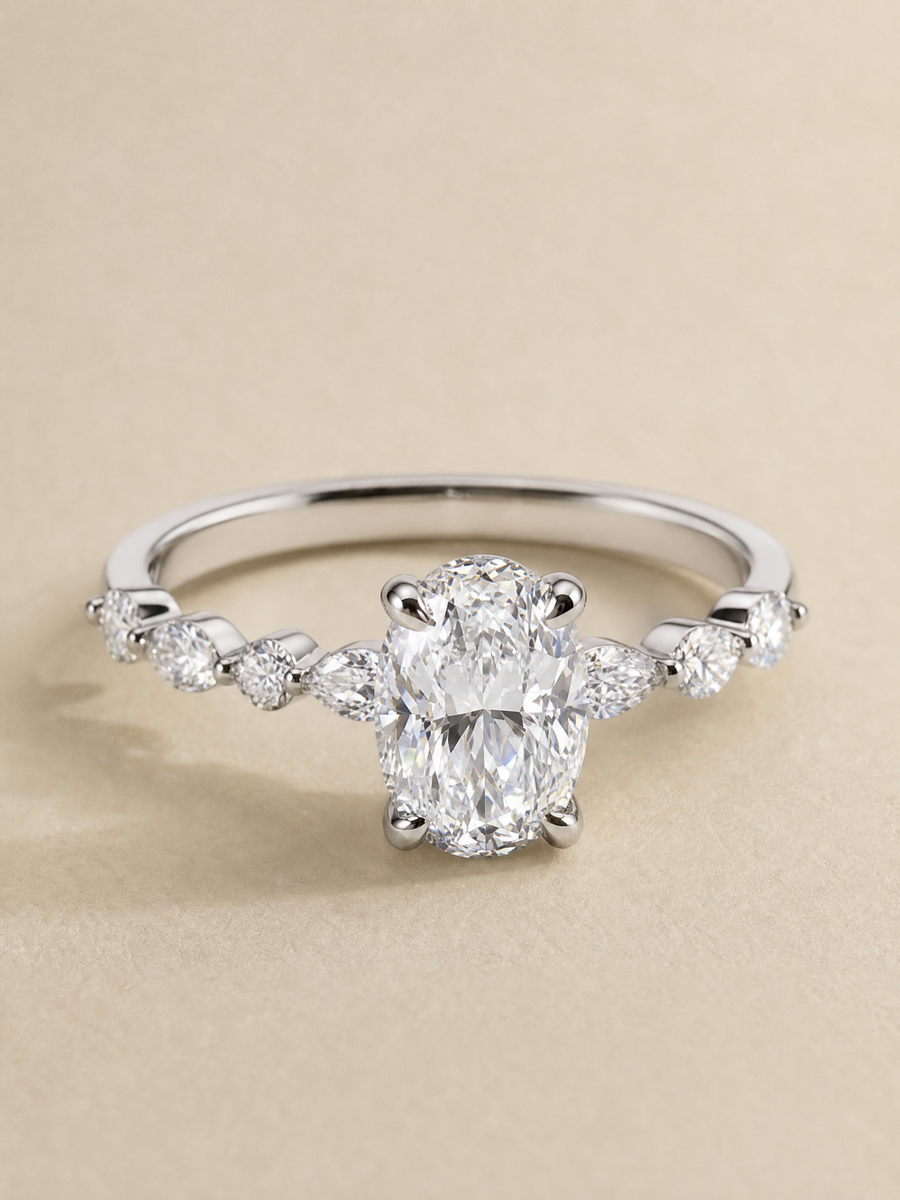
Platinum 950 Oval Brilliant Lab-Grown Diamond Ring - 1.22 ct Total
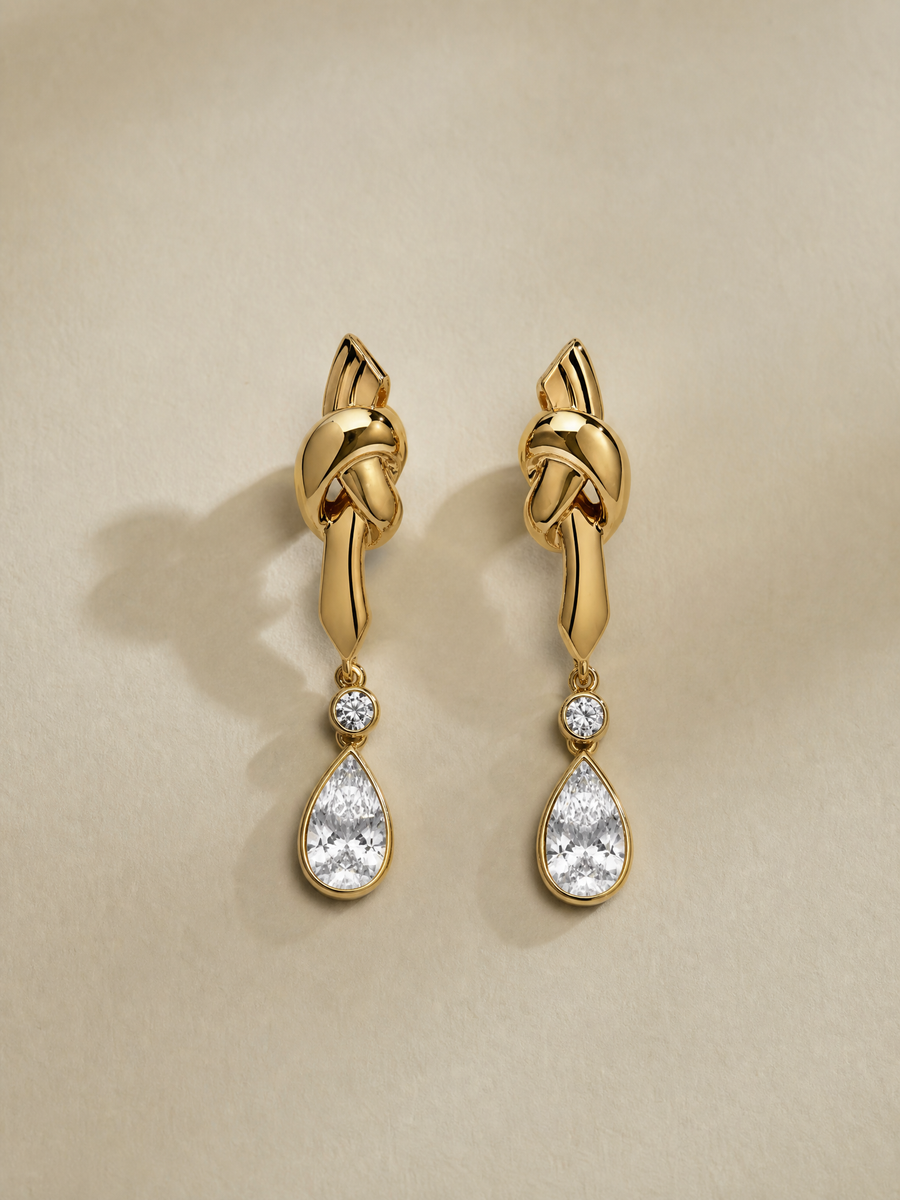
14K Yellow Gold Pear Lab-Grown Diamond Stud Earrings - 2.407 ct Total
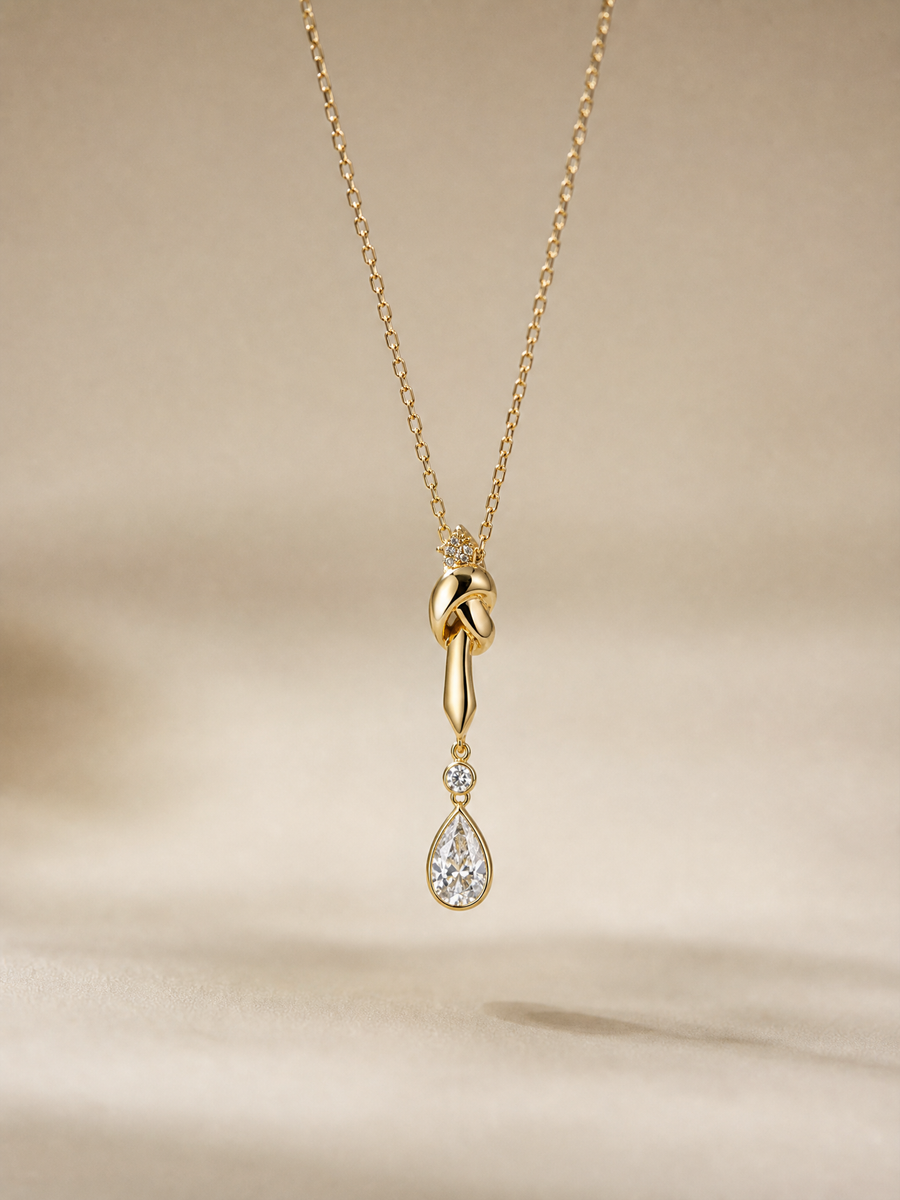
14K Yellow Gold Round Lab-Grown Diamond Necklace - 2.209 ct Total
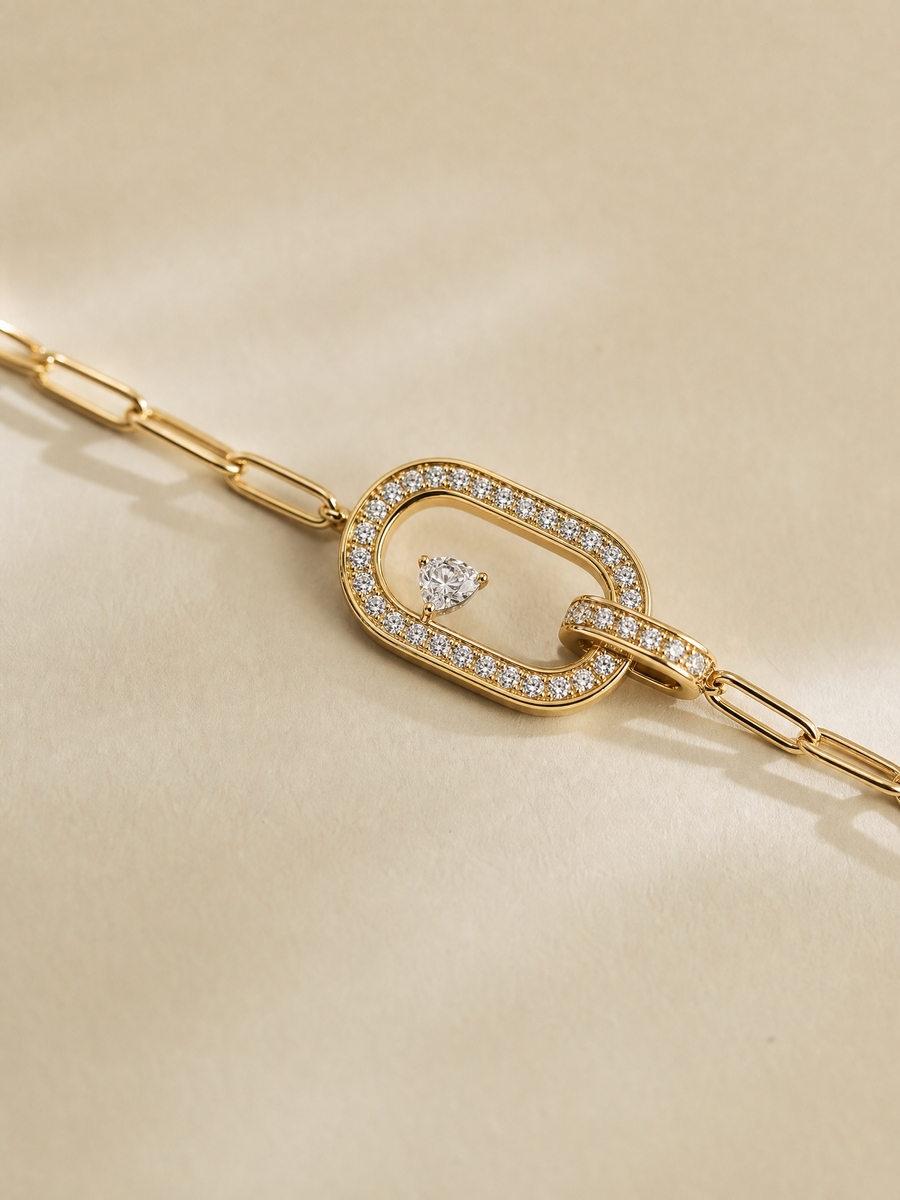
14K Yellow Gold Round Lab-Grown Diamond Bracelet - 0.633 ct Total
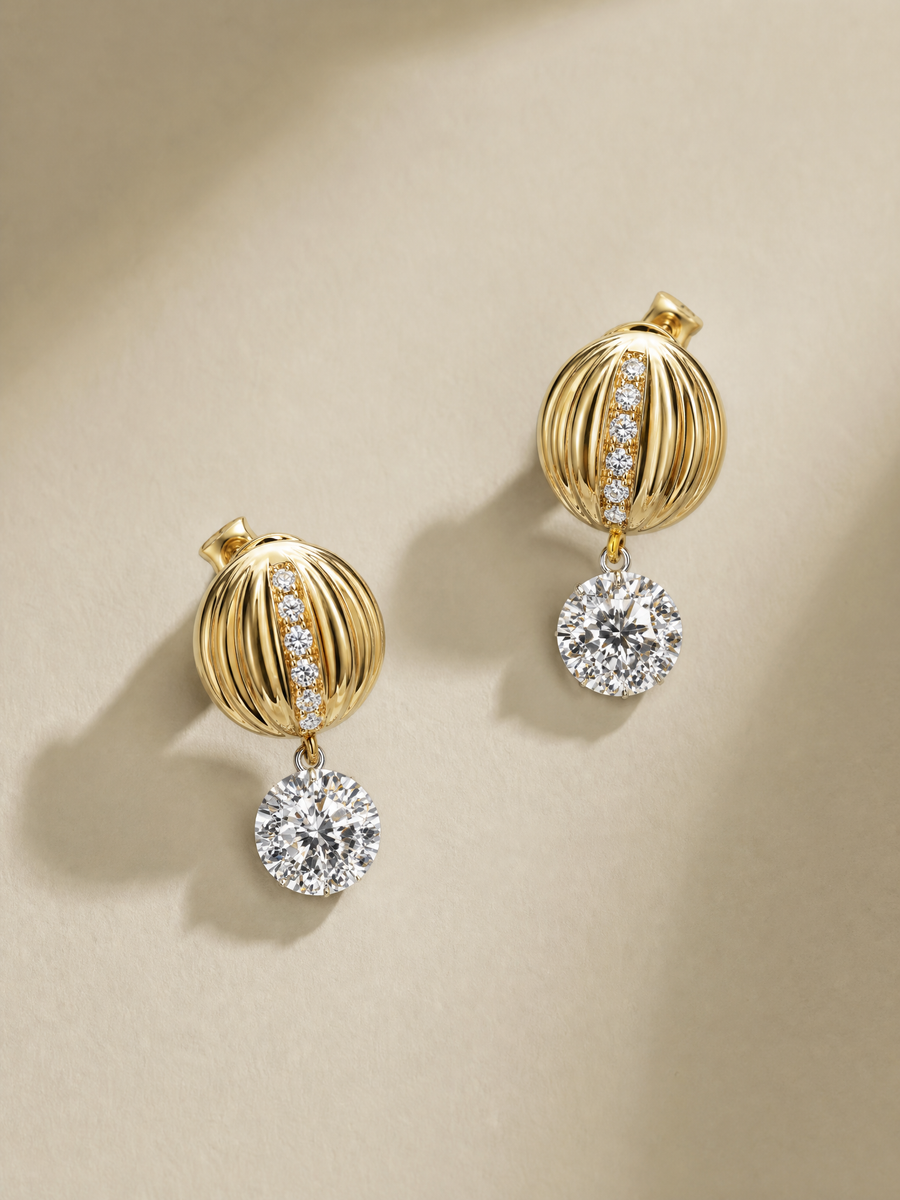
14K Two-Tone Gold Round Lab-Grown Diamond Stud Earrings - 1.654 ct Total
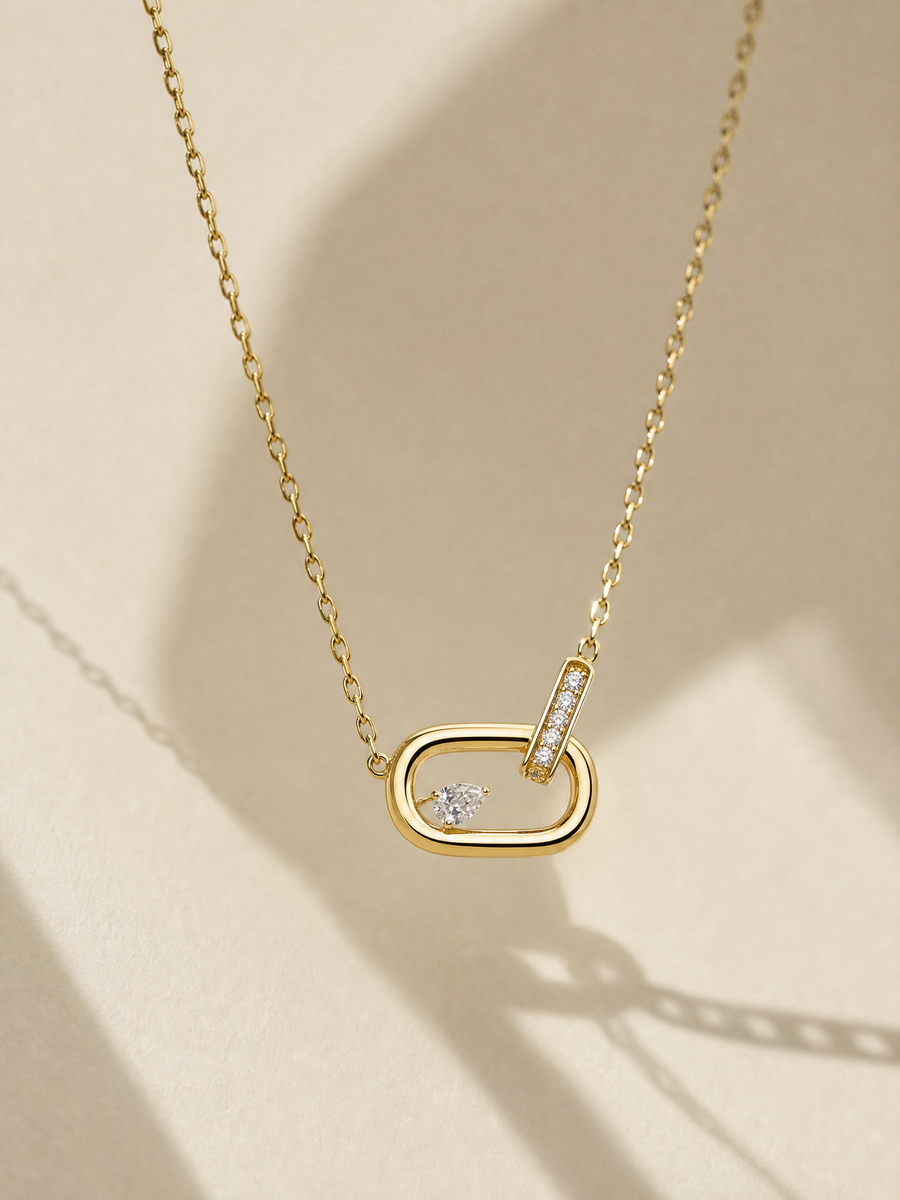
14K Yellow Gold Pear Lab-Grown Diamond Necklace - 0.245 ct Total
One note at a time.
New writing, new stones. Nothing else. Unsubscribe whenever you like.