August 27, 2026
What We Mean by Never One Thing
A chart hangs in most jewelry offices. Twelve months, twelve stones, and beside each a list of traits its wearer is said to have. We have never printed one.
A chart hangs in a lot of jewelry offices. Twelve months down one side, a stone against each month, and beside the stone a short list of traits the wearer is understood to have. Garnet, constant. Emerald, patient. Amethyst, level under pressure.
The chart is more than a century old, and it works. We have never printed one, and we are not going to.
The line this house is built on is stated on Our Story, and stated well enough that repeating it here would be a waste of your afternoon. What is not on that page is the cost. A house can print whatever it likes on the wall of its own studio; the line only starts meaning something at the moment it vetoes a piece that would have sold. Ours vetoes four things in particular.

Three fancy color lab grown diamond rings photographed together under one light, so the difference in saturation reads without any colour correction.
Color is a state, not a meaning
The chart is the most efficient merchandising device this category has ever produced. Give a stone a meaning and it sells itself twice: once to the person wearing it, who now has a reason that survives the trip home, and once to whoever is buying it for her, who has been handed a script. Birth months. Personality quizzes. Which stone are you. It converts, it is cheap to run, and every competitor we have is running some version of it right now.
The rule that stops us doing the same is two sentences long. Color expresses a state. It never labels the person.
So the copy has to do something harder. What we publish about a colored stone is what the stone does. A 2.15 ct Fancy Intense Pink oval is cut long because elongated shapes hold color that a round brilliant would scatter into brightness. A 2.05 ct Fancy Vivid Yellow radiant sits a full grade further up the ladder, and what separates those grades is saturation, not darkness, which is the distinction most people get backward. Every stone we hold in color is listed by its grade, its shape and its report, and by nothing else.
None of that tells you anything about the woman wearing it. That is the point, and it is also the bill. Describing an object is a slower sale than describing a buyer to herself.
A recognizable outline, not a signature motif
The easy way for a jewelry house to become identifiable is a mark. A monogram cut into the gallery, a repeated shape on every clasp, an initial worked into the bridge where only the wearer sees it. A mark is legible at thumbnail size, it survives a bad crop, it can be spotted across a room, and it gives a piece a second job: proving where it came from.
We put the identity in the outline instead. Proportion. The height of a profile against the finger. How much metal is allowed between the stone and the hand. Where a piece decides to stop. A 3.803 ct Fancy Intense Blue oval in 18K and a 1.474 ct rose gold solitaire share no material and no color argument, and should still read as coming from the same hand.
This is the slower option in every respect. A motif is finished the day it is drawn; an outline is only proved across a hundred pieces, and one badly judged silhouette undoes a year of the others. It does not photograph as a badge. There is nothing in the frame to point at. When someone asks what makes a piece ours, the honest answer takes a paragraph rather than a gesture, and a paragraph is a poor tool in a shopping feed.

Two rings photographed side by side, so the shared proportions of the profile read across pieces that share no motif.
We do not begin at the engagement
Bridal is where the money in fine jewelry is, and it is not close. It is the only purchase in the category with a fixed trigger, a socially agreed budget, a deadline, an audience, and a buyer already searching for exactly what you sell. Building a house around it is not the cynical choice. It is the obvious one, and most houses make it.
Organizing around states rather than milestones means declining that frame. Engagement is one state among many. A piece may well be worn to a wedding; the brand does not begin there. In practice that means no bridal category, no proposal season, and a catalog whose center of gravity is not the ring. There are more earrings in it than rings. That is a consequence, not an accident.
What we give up is the biggest and most reliable story this category has, and the search demand attached to it, and the deadline that does half the selling. A piece bought for an ordinary Tuesday has nothing pushing it. Nobody is waiting on it. It has to be wanted on its own, which is a much weaker commercial position and the only one consistent with what we say.
The collection does not finish
A wardrobe is a wardrobe because it is never complete. Nothing here is built to be completed: no five-piece suite, no numbered series that closes, no set with a gap in it shaped like the thing you have not bought yet. New this season adds to what exists rather than replacing it, and last season's pieces are not retired to make the new ones look urgent.
This is commercially inconvenient in a specific way. Complete the collection is one of the most effective sentences in retail, because it does the hardest part of the work for you: it names what is missing, and it makes the absence uncomfortable. A wardrobe built slowly is added to at intervals nobody can schedule, for reasons that arrive without warning. It is harder to forecast and much harder to write an email about.

A jewelry tray photographed with the empty space kept in frame, since a wardrobe is added to over years rather than completed.
What the line does not mean
Three things it is not, since each of them is an easier idea and all three are close enough to be mistaken for it.
It is not a taste for novelty. Never one thing is not the same as never the same thing twice, and a house that changed its mind every season would simply have no outline to recognize. The point of holding a silhouette is that the constancy is what lets the variation register.
It is not a claim about the wearer. It does not say she is complicated, or contradictory, or difficult to shop for. That would be the chart again with better manners, filing people into a subtler set of boxes and calling it flattery. Nothing here is a description of her.
And it stops being useful in one obvious case. Some people want one thing. One ring, chosen once, worn for forty years, and nothing after it. That is a coherent and rather enviable way to own jewelry, and this house is not organized for it. A maker who builds around a single piece and refines it for a decade would serve that person better than we would, and we would rather say so than pretend the line covers everyone.
The chart is not wrong about how people buy. It is wrong about the job it hands the stone. What we hold is not a position on who she is; it is a position on what a piece of jewelry should be asked to do, and what it should be spared. The chart asks a stone to announce something settled about the person wearing it, and to keep announcing it for as long as she owns it, which is a great deal to ask of two carats of carbon. Twelve months, twelve stones, twelve small verdicts.
We keep the stones. We have no use for the verdicts.
In the collection
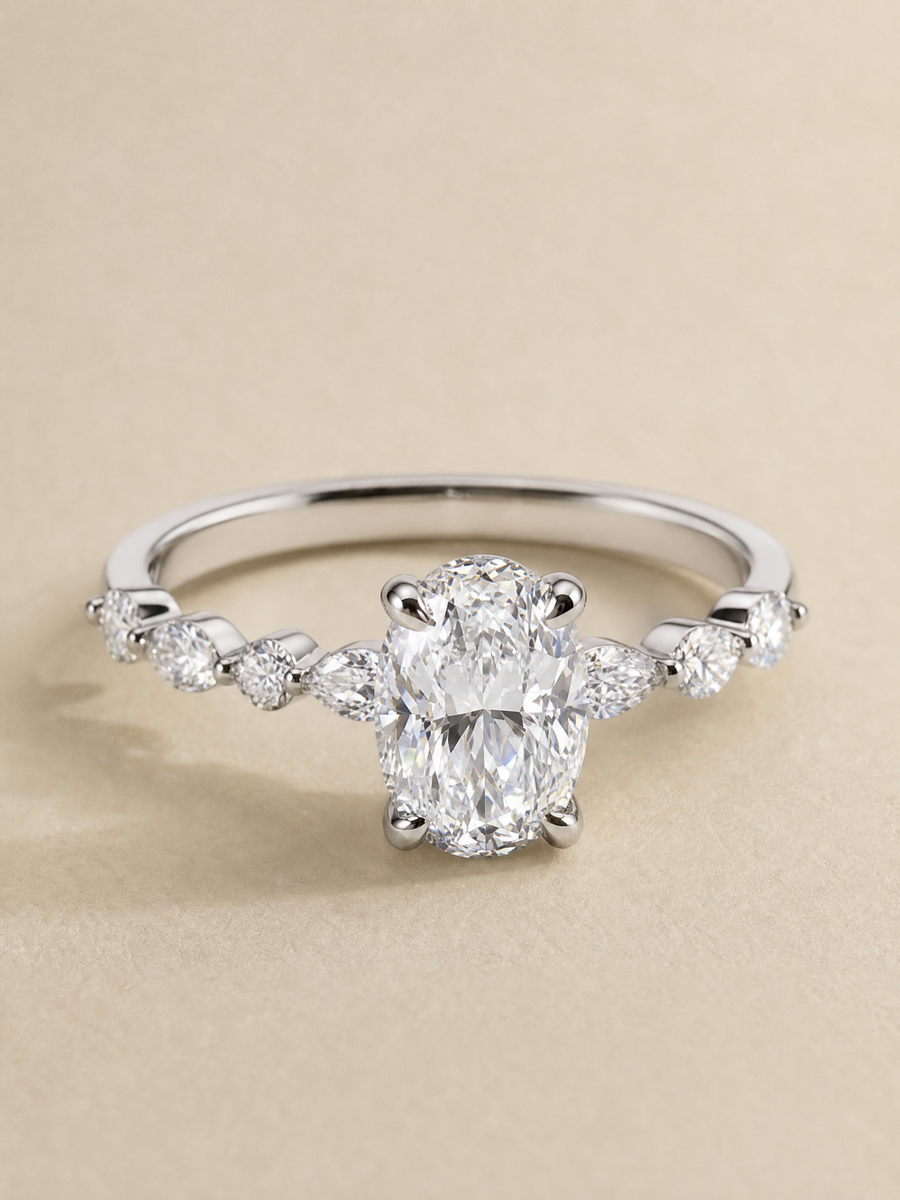
Platinum 950 Oval Brilliant Lab-Grown Diamond Ring - 1.22 ct Total
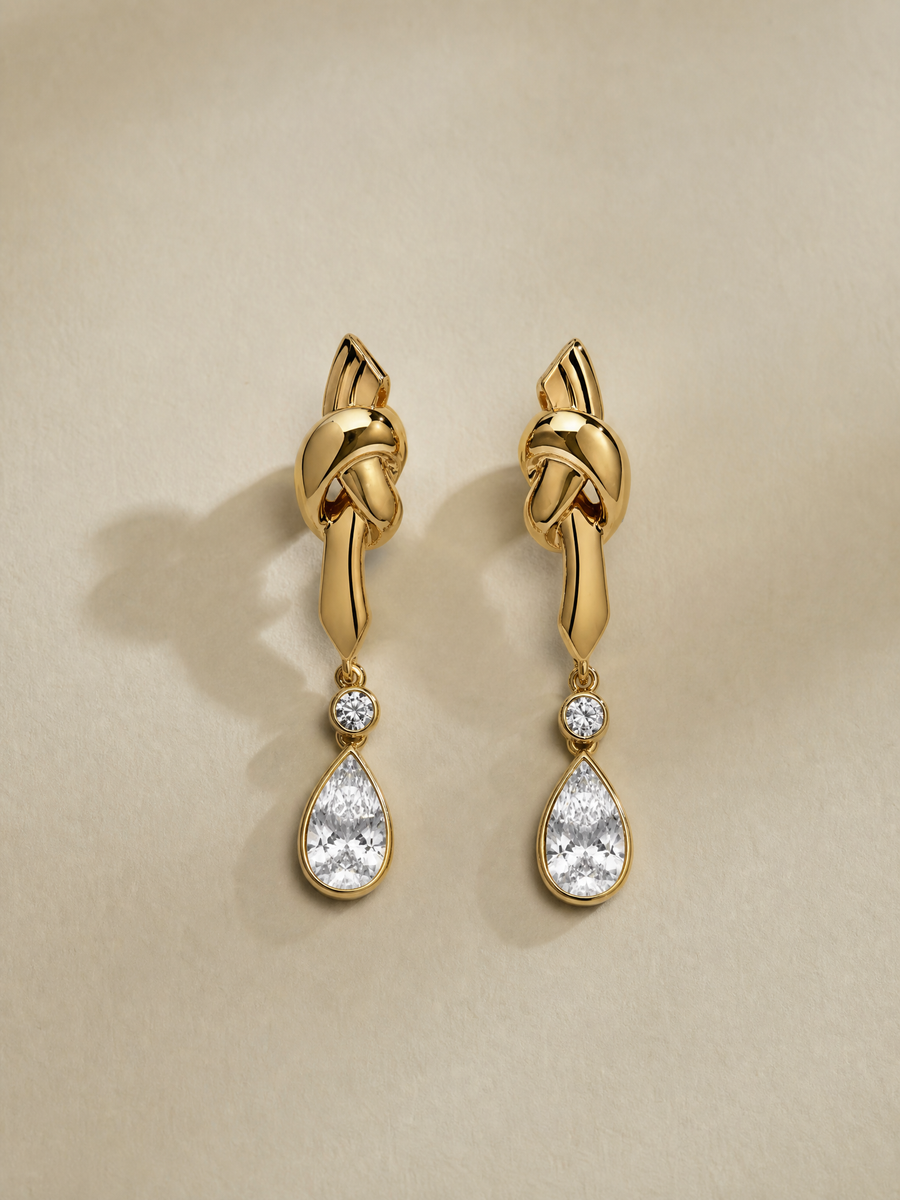
14K Yellow Gold Pear Lab-Grown Diamond Stud Earrings - 2.407 ct Total
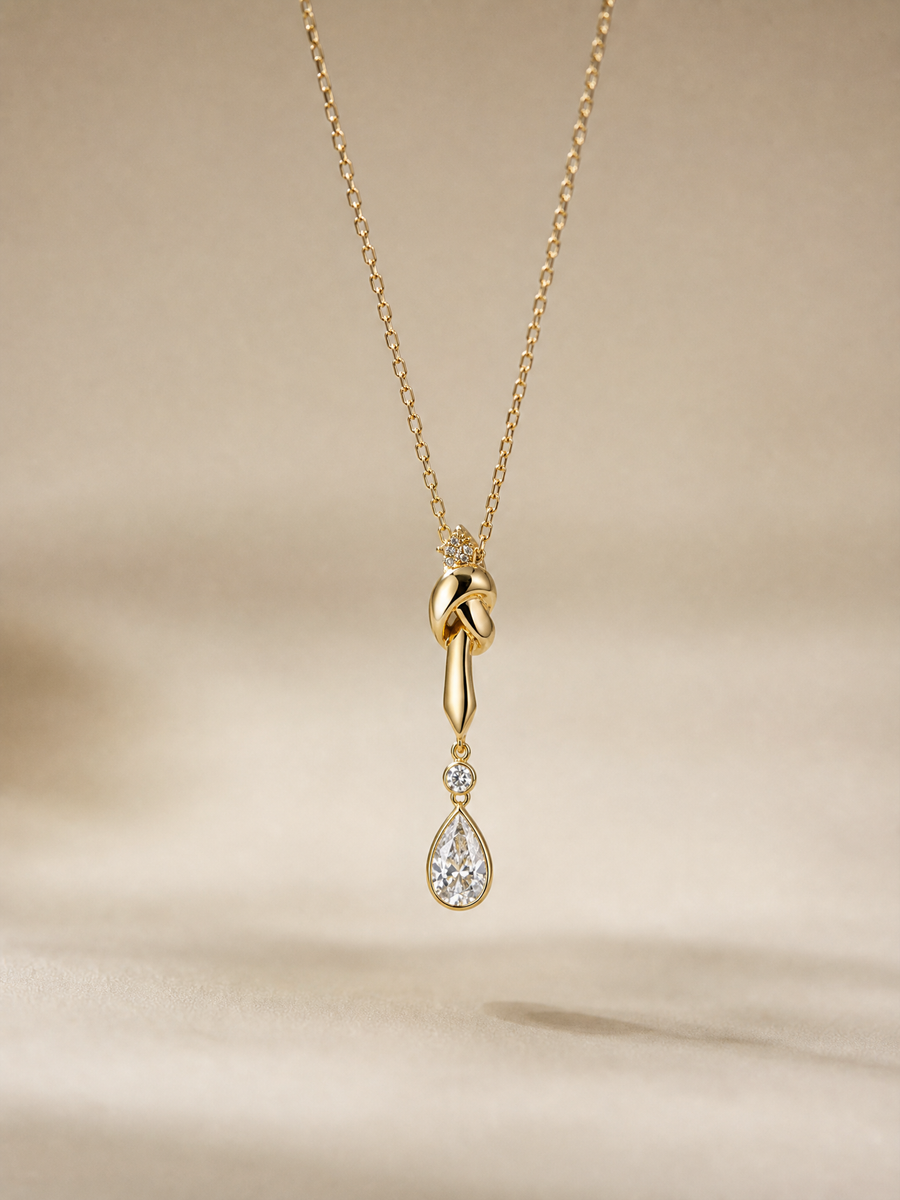
14K Yellow Gold Round Lab-Grown Diamond Necklace - 2.209 ct Total
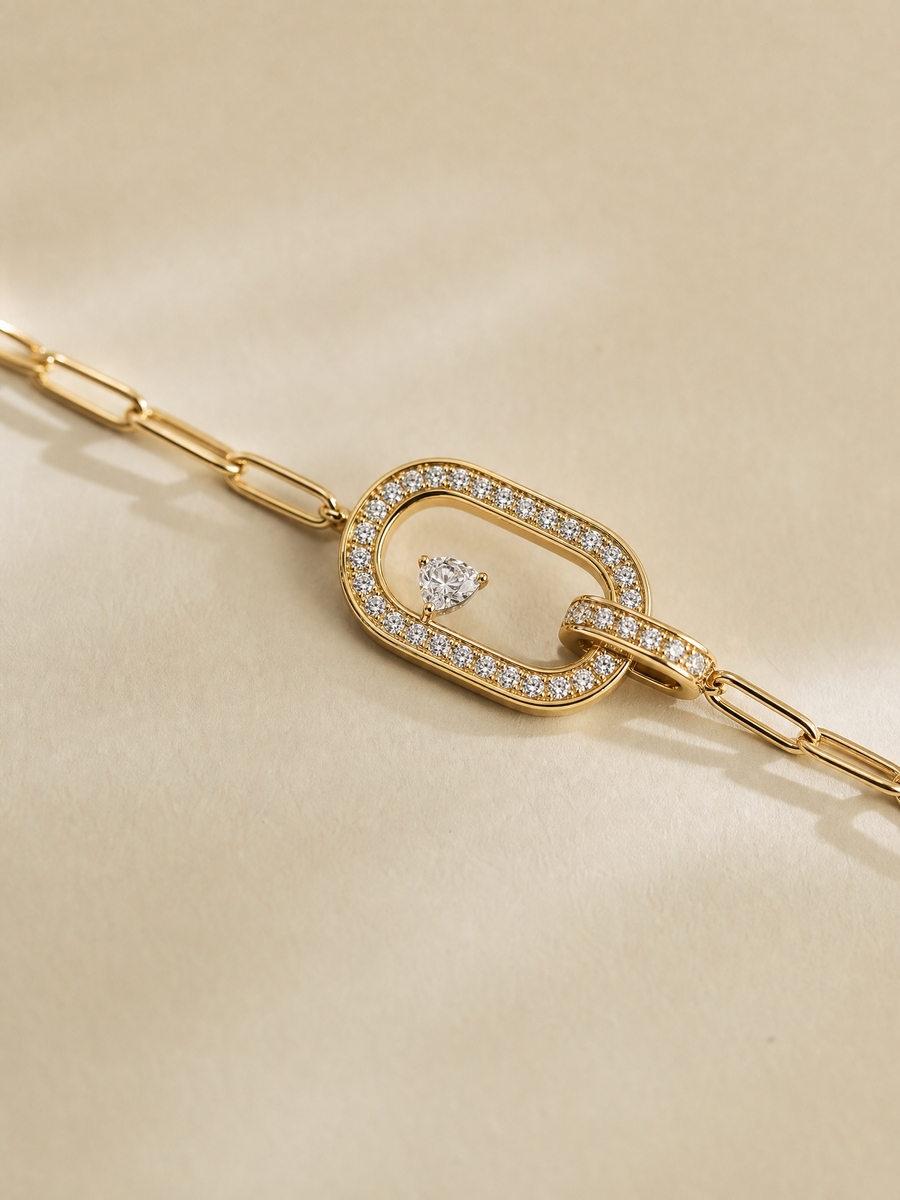
14K Yellow Gold Round Lab-Grown Diamond Bracelet - 0.633 ct Total
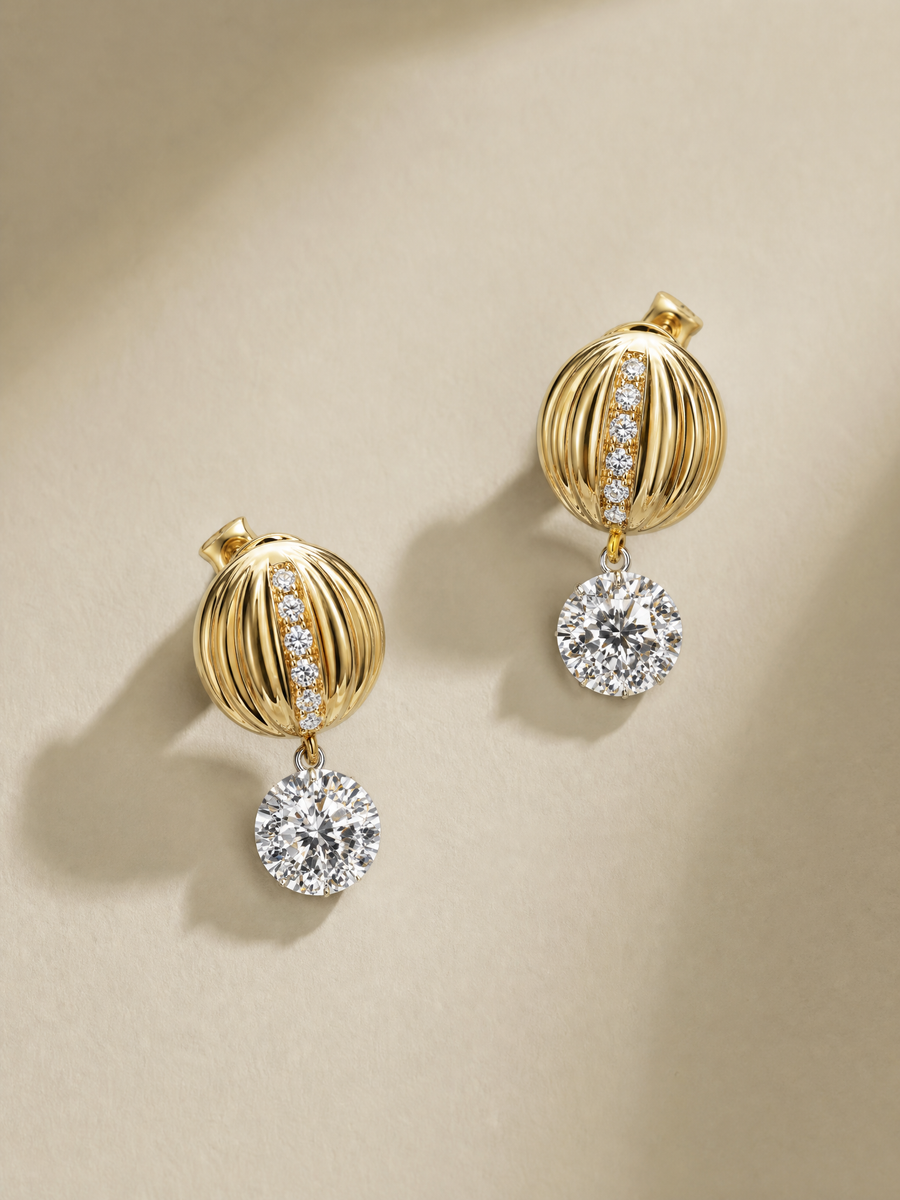
14K Two-Tone Gold Round Lab-Grown Diamond Stud Earrings - 1.654 ct Total
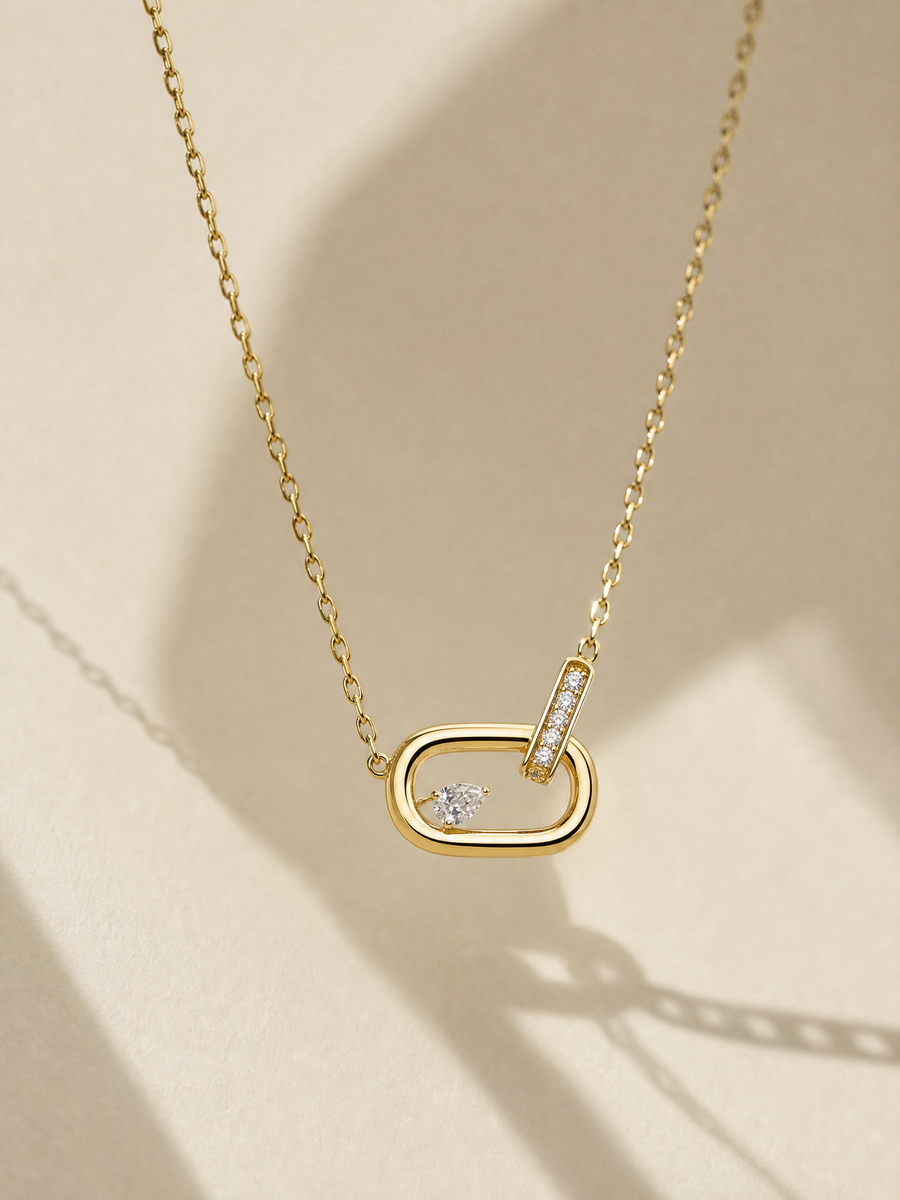
14K Yellow Gold Pear Lab-Grown Diamond Necklace - 0.245 ct Total
One note at a time.
New writing, new stones. Nothing else. Unsubscribe whenever you like.