August 27, 2026
VVS vs VS Clarity: Can You Actually See the Difference?
No. VVS and VS are both eye-clean in almost every case, and the difference only resolves under 10x magnification. What you pay extra for is the report line, not the stone.
No, you cannot. VVS and VS lab grown diamonds are both eye-clean in almost every case: their inclusions only resolve under 10x magnification, which is the standard both IGI and GIA grade at. Paying up from VS to VVS buys you a better line on the report, not a visibly better stone.
That is the answer. What follows is why, and where it stops.
What do VVS and VS actually mean on the report?
Two adjacent categories on an eleven-grade scale, defined by how hard the inclusions are to find at 10x, not by how they look.
The scale, as the labs write it
GIA runs one universal system of eleven grades: Flawless, Internally Flawless, VVS1, VVS2, VS1, VS2, SI1, SI2, I1, I2, I3. Its definitions are short. Very, Very Slightly Included (VVS1 and VVS2): "Inclusions so slight they are difficult for a skilled grader." Very Slightly Included (VS1 and VS2): "Inclusions are observed with effort but can be characterized as minor." Both judgments are made at 10x.
IGI, which grades every stone we sell, puts the naked eye explicitly in frame. VVS1 and VVS2: "Very, Very Slightly included characteristics are challenging to detect even under magnification. These minute inclusions are nearly always undetectable to the naked eye." VS1 and VS2: "Very Slightly included; the characteristics are minor and only detectable with effort under magnification."
Set the two pairs side by side and the conclusion is there already: the difference is described in the grader's difficulty, never in the buyer's experience.
The four sub-grades, in plain terms
GIA publishes the internal calibration. VVS1 means the inclusions are extremely difficult to see at 10x; VVS2, very difficult; VS1, difficult; VS2, somewhat easy. That is the whole ladder from a 2.01 ct D VVS2 round to a 2.05 ct D VS1 round: one step in how much effort a trained person spends with a loupe against their eye.
What 10x is not
A convention, not a limit. Graders identify an inclusion at higher power, then return to 10x to set the grade. A VVS1 stone is not empty. Its features sit under the threshold the scale agreed to care about.
At what grade can you see an inclusion without magnification?
On a round brilliant, VS2 is the floor. IGI states that round brilliant diamonds with VS2 clarity and higher are reliably eye-clean, which puts all of VVS and VS above the visibility line on that shape.
What eye-clean means as a test
It is a defined viewing condition, not a vibe. IGI publishes the gemologist consensus definition: "No inclusions visible to the unaided eye when viewed from the face up position in daylight equivalent or fluorescent lighting between 6-12 inches from the eye using 20/20 vision." Face up, six to twelve inches, ordinary light. What you find by tilting the stone or looking through the back is outside the test, and outside how it will be seen on a hand.
Where the threshold moves: size
Above 3 carats, IGI recommends checking VS2 stones case by case rather than assuming. Bigger table, inclusions scaled up with the crystal, more surface for the eye to scan: the grade did not change, the canvas did. At the top of the 2 carat range and above, "VS2 is fine" turns back into a question.
Where the threshold moves: shape
This is the most actionable fact on the page. IGI says that for shapes which show inclusions more easily, "such as step cuts like emeralds and Asschers, VS2 clarity should be checked on a case by case basis." GIA puts it physically: inclusions are easier to see in an emerald cut than a round brilliant, because a step cut has fewer, larger facets and a brilliant has many small ones.
A round brilliant is a scrambler: fifty-seven facets throw light in enough directions that a small dark mark competes with a moving field of flashes and loses. A step cut is a window. Long parallel facets stack like panes of glass and you look straight down into a calm mirrored interior. The pinpoint that vanishes in a round sits there in an asscher, visible.
So clarity is a real specification in step cuts like our 1.52 ct D VVS2 asscher, and past VS2 it is bookkeeping in round brilliants.
| Clarity grade | What is present at 10x | Eye-visible face-up? | Which shapes it matters most in |
|---|---|---|---|
| FL / IF | Nothing internal; IF may show surface blemishes | No | None. You are buying the grade only |
| VVS1 | Minute features, extremely difficult to find at 10x | No | None |
| VVS2 | Minute features, very difficult to find at 10x | No | None |
| VS1 | Minor inclusions, difficult to find at 10x | No | None |
| VS2 | Minor inclusions, somewhat easy to find at 10x | Not on a round brilliant; check case by case | Asscher, emerald, and any stone over 3 ct |
| SI1 | Noticeable inclusions at 10x | Sometimes | All step cuts; larger brilliants |
| SI2 | Noticeable inclusions at 10x | Often | All shapes, step cuts worst |
What is the clarity plot telling you that the grade is not?
It tells you where the inclusions sit, what kind they are and how many. Position can matter more to you than the letter does.
How to read the diagram
Two outlines of your stone, crown and pavilion, with each grade-setting characteristic marked in its true location. Red marks internal inclusions, green marks surface blemishes, the key to symbols names the type. It maps one stone, which makes it the fastest way to confirm the report belongs to the diamond in front of you. Full walkthrough: how to read an IGI report.
Position is a grading factor and a buying factor
GIA grades clarity on five things: size, number, location, relief and nature. On location it is explicit, that the closer an inclusion is to the center of the table, the greater its effect. An inclusion drawn under the table therefore costs more grade than an identical one near the girdle. Two VS1 stones are not interchangeable: the one with its marks pushed to the edges is carrying more of something else, usually size or performance, for the same letter.
The one position that is not cosmetic
GIA notes that certain inclusions make a diamond vulnerable to damage, particularly feathers reaching the girdle. That is durability, not appearance, and it is where the plot beats the grade. A VS2 with a clean girdle is a better ring stone than a VVS2 with a feather breaking the surface where a prong will sit, and no clarity grade says so. Ask, or have someone look.
Do lab grown diamonds have different inclusions from natural ones?
Yes, and specifically enough that a plot on a lab grown stone reads differently from a mined one of the same grade.
What grows in HPHT material
In GIA's review of HPHT-grown diamonds the most common grade-setting inclusions were crystals, with feathers, pinpoints and clouds behind them, and most of those crystals "appear to be pieces of dark solidified metal flux" left from the growth cell, sometimes as thin rods. Occasionally one stone holds enough metallic material to give a detectable magnetic reaction. Dark and reflective is the profile to expect, and relief is one of GIA's five factors.
What grows in CVD material
Different chemistry, different fingerprint. In GIA's CVD review the most common grade-setting inclusions were clouds, pinpoints, crystals and needles, typically non-diamond carbon rather than metal, with graining from the growth layers part of the picture. GIA also recorded that twinning wisps, grade-setting in 4% of the natural diamonds it sampled, appeared in none of the CVD stones.
What that means when you look at a plot
Two things. The distribution sits higher. GIA found median clarity for near-colorless CVD material at VVS2 to VS1, and most colorless HPHT samples in the VS1 to VS2 range. VVS and VS are the ordinary center of this material, not an upgrade tier. And because lab grown inclusions skew toward small dark points rather than the wisps common in mined stones, relief matters more than count. One high-contrast pinpoint under the table deserves more attention than four faint ones at the edges.
Where is the money better spent than on a higher clarity grade?
Cut, and it is not close. Clarity above VS2 changes what the report says; cut changes what the stone does in a room.
What cut is actually grading
GIA's cut grade is not a shape description. It evaluates brightness, fire, scintillation, weight ratio, durability, polish and symmetry: white light returned, the split into spectral colors, the flash pattern as the stone moves, and whether the diamond hides its carats in a deep belly instead of spreading them across a finger. A person across a table registers all four without knowing the words.
Why the trade runs one way
A better cut makes an inclusion harder to see; a higher clarity grade does nothing for a dull stone. Light performance is what scrambles small marks in the first place, which is why round brilliants stay eye-clean furthest down the scale. Cut buys visible performance and clarity forgiveness at once. Clarity above VS2 buys neither.
One caution on fancy shapes
GIA gives an overall cut grade to round brilliants only, because their facet pattern is standardized. IGI grades cut on rounds against its own studies of brightness, fire, scintillation and pattern, and applies a separate four-step assessment to fancy shapes covering finish, proportions, shape-specific requirements and light return. So on an oval, a cushion or a pear you cannot lean on a single letter. Look at the stone in more than one light before weighing a clarity upgrade, and check what its report carries on our stone page.
What do you do when two stones are one grade apart?
Assume they look identical, then spend five minutes proving it.
The four checks, in order
Compare the shapes first, because if either is a step cut, clarity is a live variable. Compare the plots rather than the grades, and see where the marks sit relative to the table. Compare carat and cut, since a 1.69 ct E VS1 cushion and a smaller VVS2 are not the same purchase in any dimension that shows. Then look at both face up, six to twelve inches away, in ordinary light.
When to take the higher grade anyway
Three cases. The stone is a step cut. It is over 3 carats. Or the plot puts a high-relief mark under the table, which on lab grown material usually means a dark metallic point in an HPHT stone. Outside those three, one clarity grade is a difference you never see again after the day you buy.
Where this advice works against us
Our loose colorless stones are D and E, VVS and VS, roughly 1 to 3 carats. We sell almost entirely inside the range where this article says the difference is invisible, and we have just spent a page telling you not to pay more within our own inventory. Better you have that from us.
It has one limit. A buyer who wants VVS specifically, knowing it will not be visible, is not making an error. The Laboratory Grown Diamond Report outlives every conversation about the stone, and wanting the better line on it is legitimate. Buying a document is a real reason. It is simply a different reason from buying a better-looking diamond, and the two get conflated by people selling you the first while describing the second.
Questions people ask next
Is VVS worth it over VS? Not for appearance, on a round brilliant under 3 carats: both are eye-clean. It is worth it if the report itself matters to you, which is a preference, not a mistake.
Is VS1 or VS2 better? VS1. GIA calibrates VS1 inclusions as difficult to see at 10x, VS2 as somewhat easy. Both sit above the eye-clean line on a round brilliant; only VS2 needs checking on step cuts and stones over 3 carats.
Do lab grown diamonds have inclusions? Yes, different ones: metallic flux crystals in HPHT material, non-diamond carbon clouds, pinpoints and needles in CVD, graining in both.
Does clarity affect sparkle? Not at VVS or VS. Sparkle is cut. Clarity reaches brilliance only at the included grades, where GIA says inclusions may affect transparency and brilliance.
The rule is short. Buy the lowest clarity grade that is still eye-clean in the shape you actually chose, and put what the downgrade saved into cut and carat. On a round brilliant that floor is VS2. On a step cut it is whatever your own eyes confirm at arm's length, the only test that was ever going to matter. Start from the shape at find your stone. Every MERVAUX stone, loose or set in solid 14K and 18K gold and platinum, comes with its IGI report and its plot.
In the collection
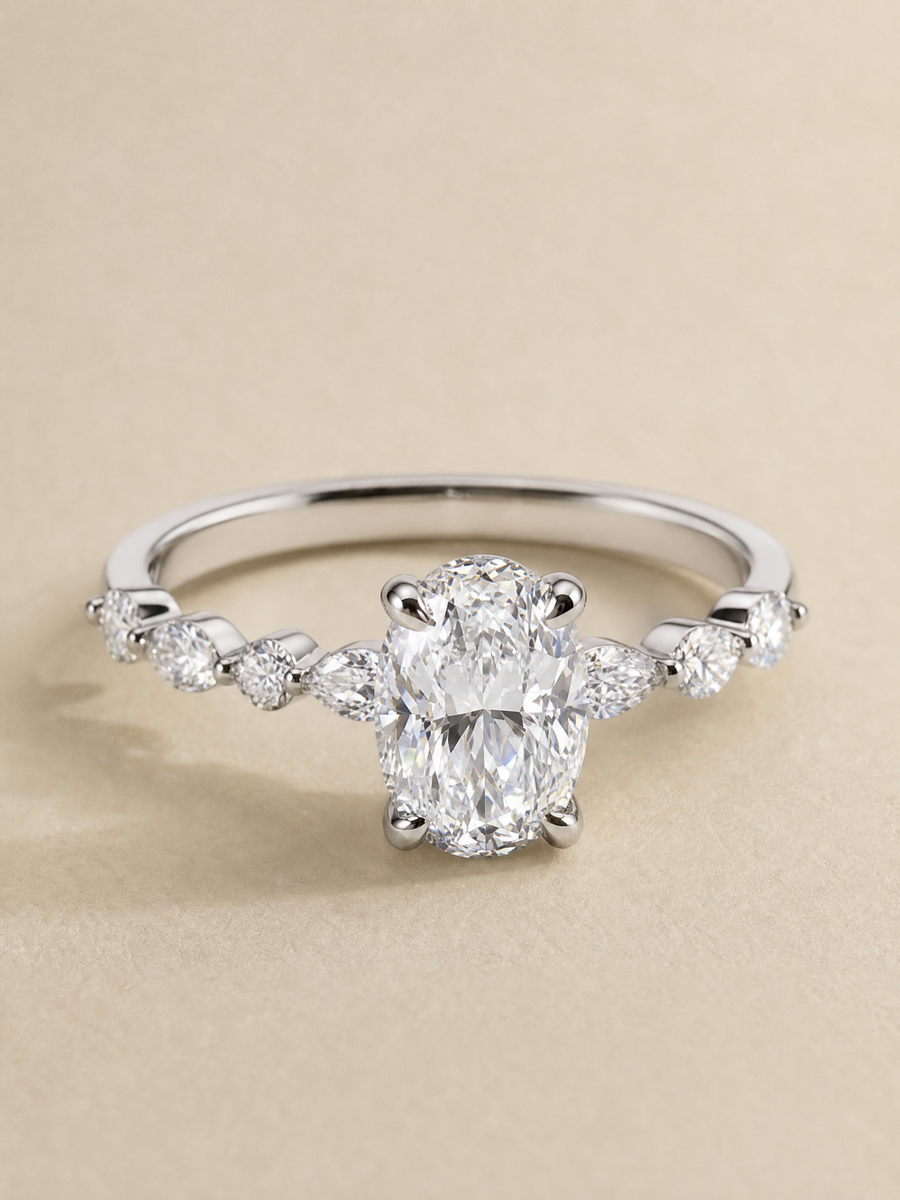
Platinum 950 Oval Brilliant Lab-Grown Diamond Ring - 1.22 ct Total
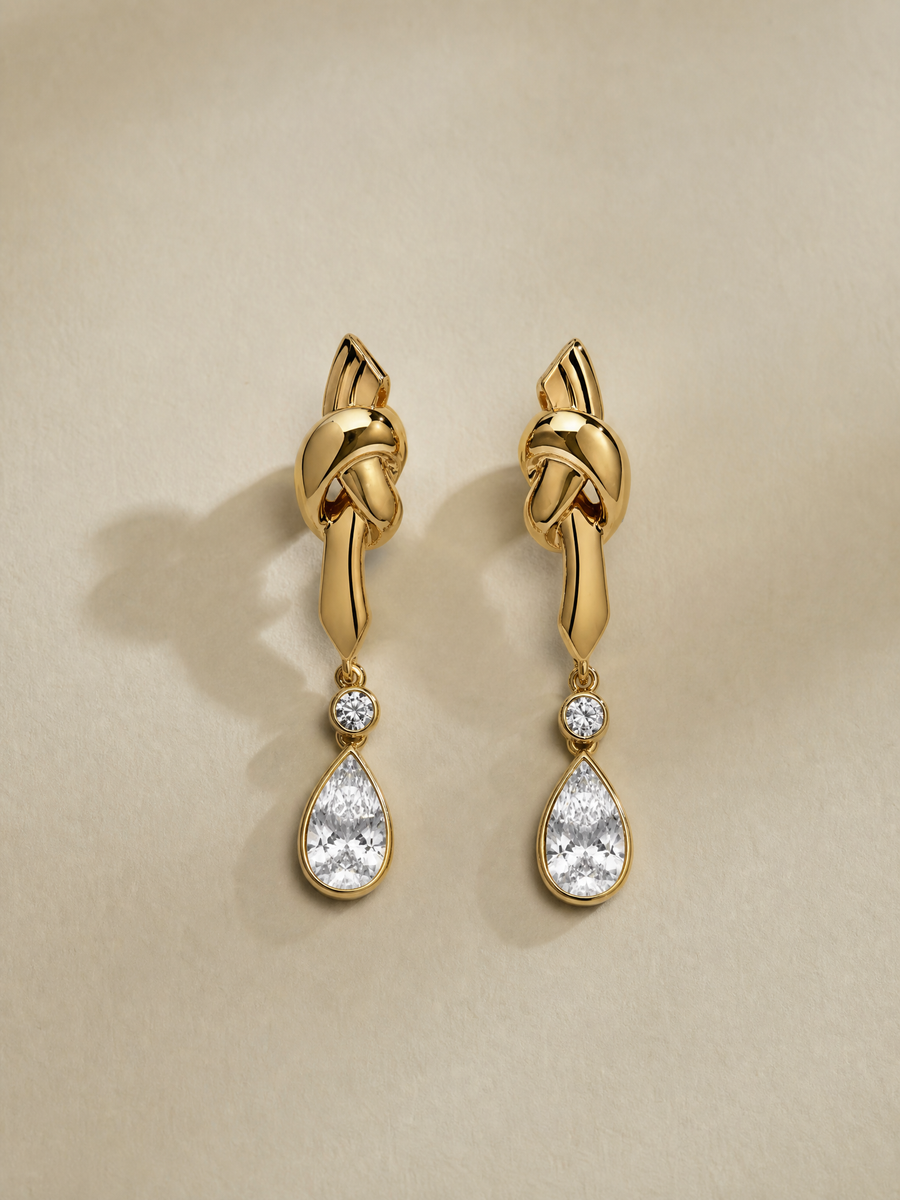
14K Yellow Gold Pear Lab-Grown Diamond Stud Earrings - 2.407 ct Total
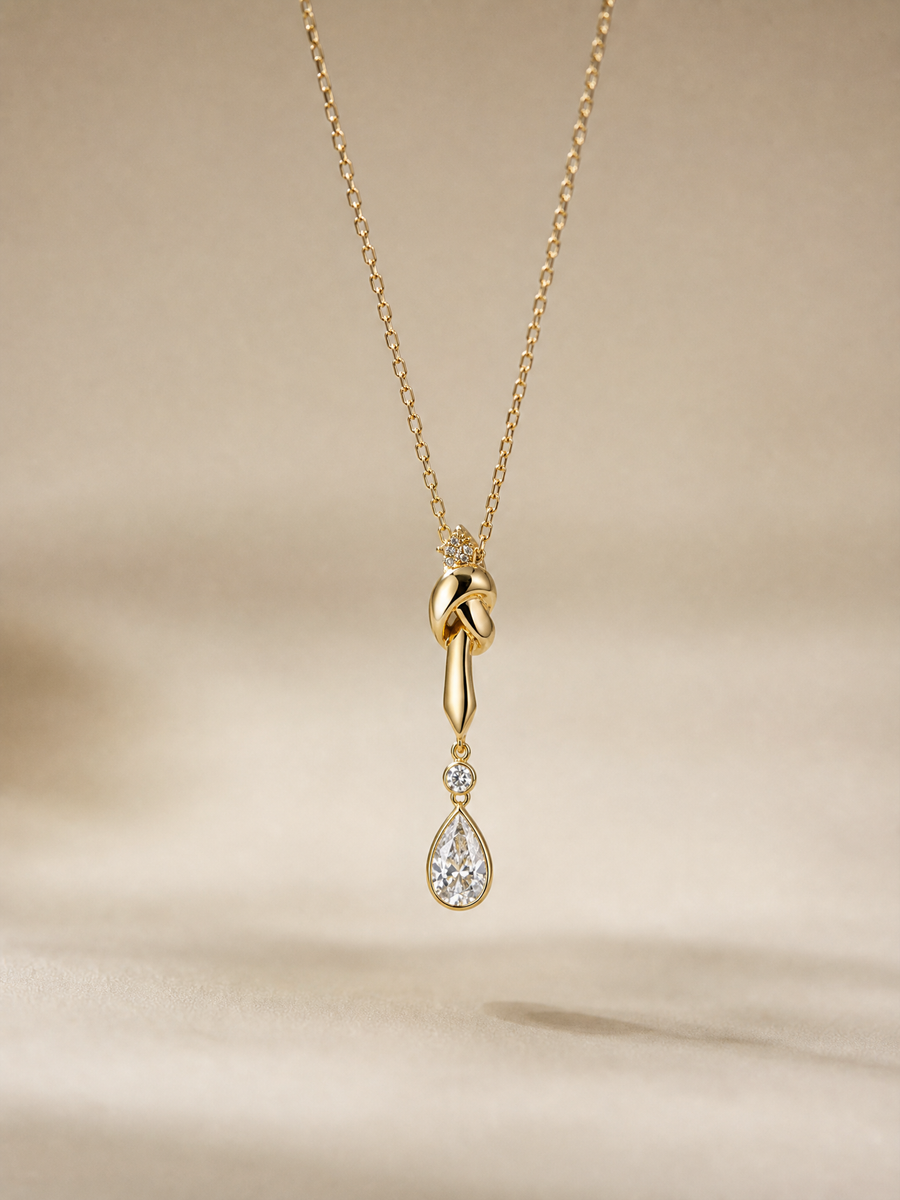
14K Yellow Gold Round Lab-Grown Diamond Necklace - 2.209 ct Total
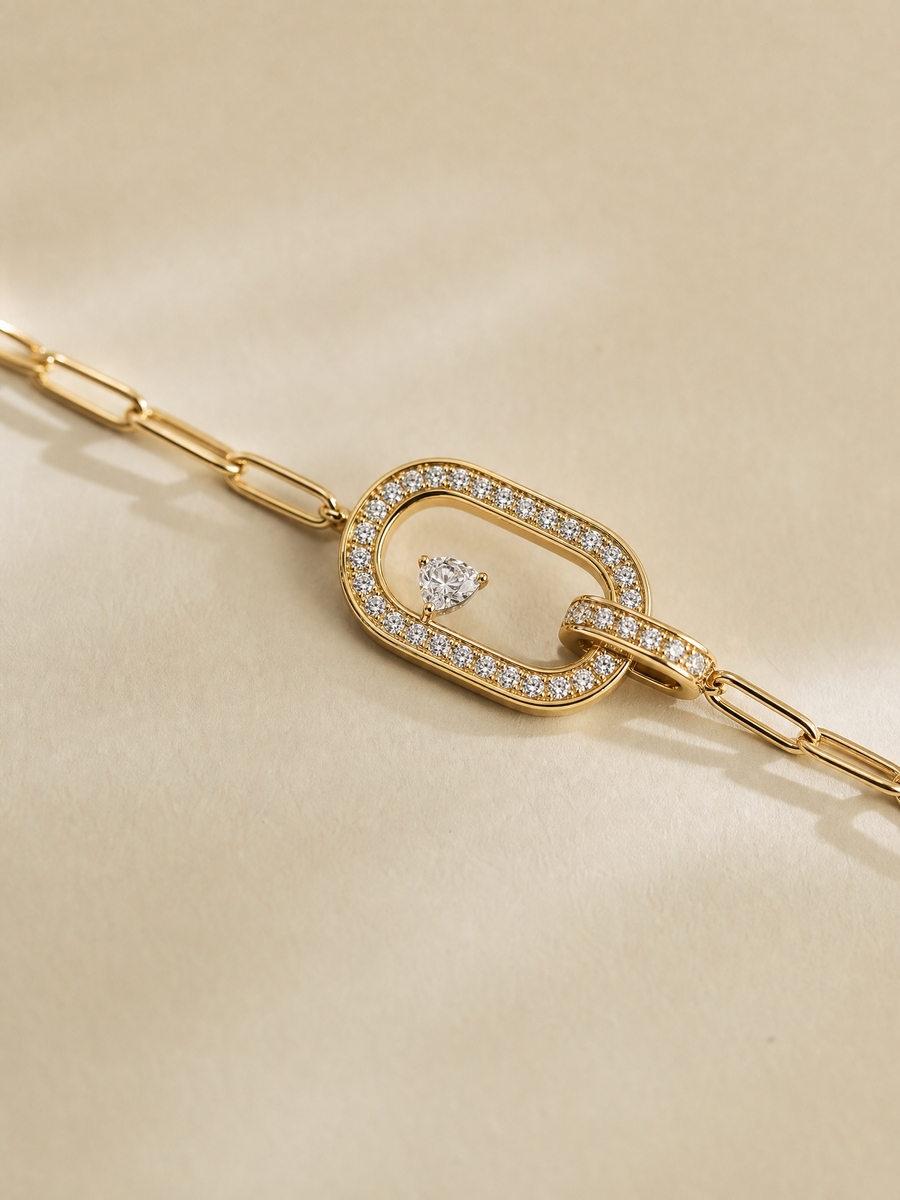
14K Yellow Gold Round Lab-Grown Diamond Bracelet - 0.633 ct Total
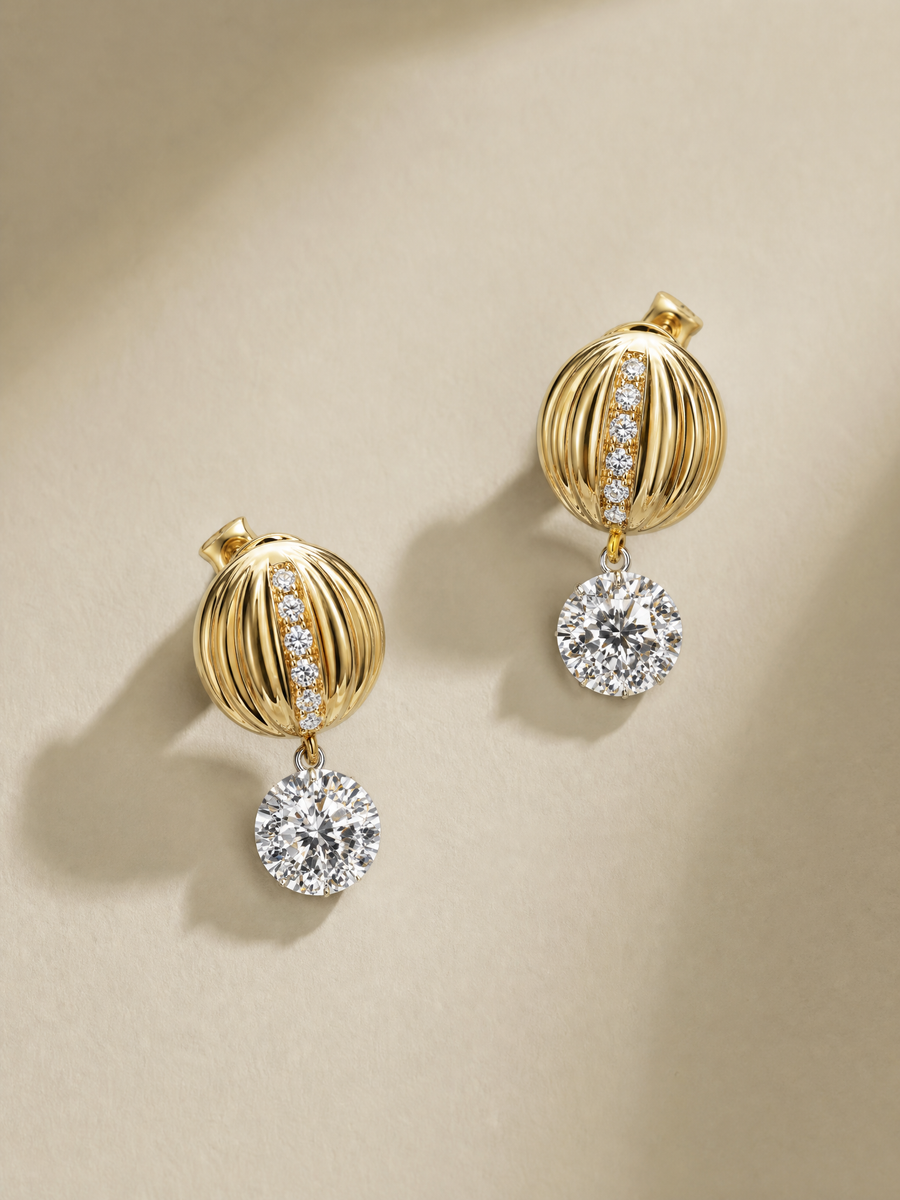
14K Two-Tone Gold Round Lab-Grown Diamond Stud Earrings - 1.654 ct Total
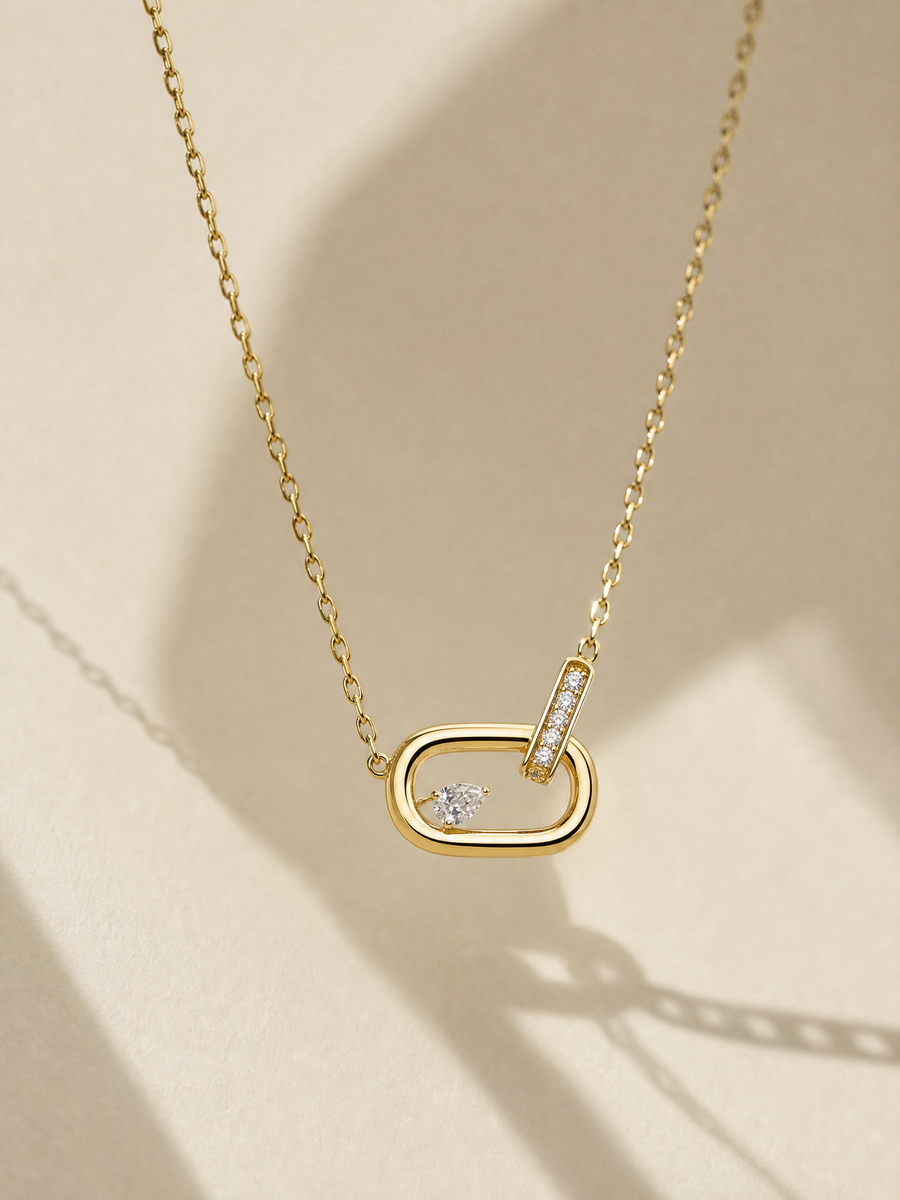
14K Yellow Gold Pear Lab-Grown Diamond Necklace - 0.245 ct Total
One note at a time.
New writing, new stones. Nothing else. Unsubscribe whenever you like.